The psychology behind why we gamble in casinos
The thrill of uncertainty
The allure of gambling primarily stems from the excitement and uncertainty that accompanies each bet placed. This unpredictability triggers the brain’s reward system, releasing a cocktail of neurotransmitters, particularly dopamine, which is often referred to as the feel-good chemical. Many enthusiasts often find themselves seeking out new experiences, so it’s no surprise that they might check the offer of various casinos that promise thrilling adventures and enticing rewards. The anticipation of a potential win can create an adrenaline rush, leading gamblers to experience heightened levels of arousal and excitement. This stimulating environment keeps players engaged and returning for more, often leading them to chase after that elusive jackpot.
Moreover, this thrill of uncertainty plays a significant role in reinforcing gambling behaviors. When individuals win, even if only occasionally, the brain records this positive experience and associates it with the act of gambling. This can cause players to underestimate the odds and overestimate their chances of winning based on past experiences. Consequently, they may feel compelled to continue gambling, hoping to replicate that fleeting moment of triumph, leading to repeated visits to casinos.
Additionally, the design of casino environments enhances this thrill through vivid lighting, sound effects, and immersive décor. Every element is carefully crafted to maintain an atmosphere of excitement and possibility, further enticing visitors. This psychological strategy ensures that gamblers remain engaged, creating a cycle of anticipation that is hard to resist. By capitalizing on these emotional responses, casinos effectively leverage human psychology to encourage continued participation.
The role of social interaction
Gambling is not solely an individual activity; it also serves as a social experience for many players. Social interaction plays a pivotal role in attracting individuals to casinos, as the communal aspect of shared games or events can enhance enjoyment. Whether it’s cheering on a friend at the blackjack table or celebrating a win with others, the camaraderie experienced in these environments can be addictive. This social reinforcement can lead to a heightened sense of belonging and community among players, driving them to return not just for the games, but for the people.
In addition, the influence of peer pressure cannot be overlooked. Individuals may feel compelled to gamble in social settings to fit in or be accepted by a group. This behavior is often amplified in environments like casinos, where the ambiance encourages interaction and participation. The presence of others can diminish the perception of risk and increase the willingness to wager, as players may feel emboldened by the collective excitement and shared experiences. Thus, social dynamics significantly impact gambling decisions and behaviors.
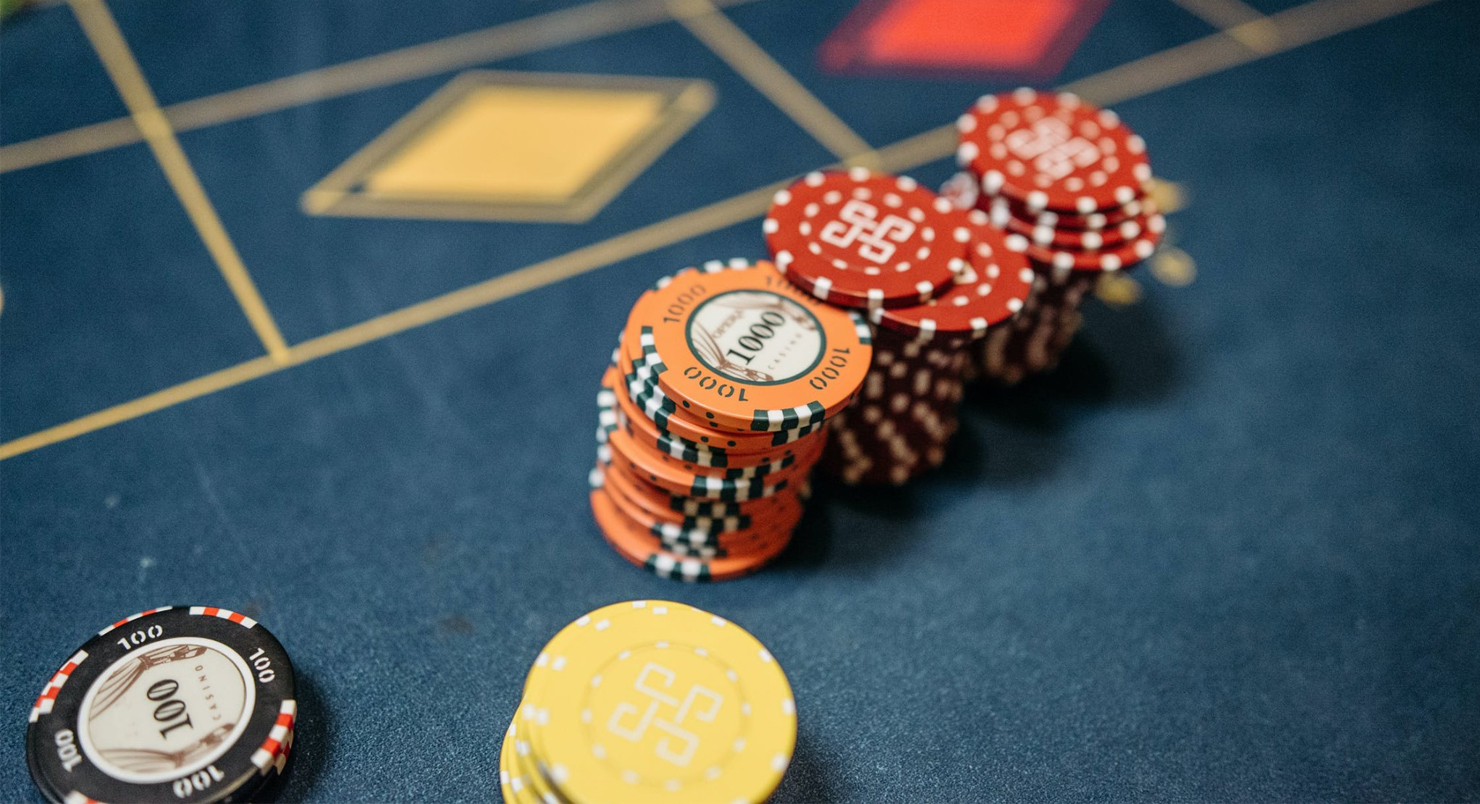
Furthermore, casinos often facilitate social interactions through various events, promotions, and contests. By organizing tournaments and special gatherings, they create opportunities for gamblers to connect with one another. This not only adds to the entertainment value but also reinforces the psychological notion that gambling is a collaborative experience. In this way, social interaction becomes a driving force behind the continued appeal of casinos, intertwining the thrill of the game with the bonding of friendships.
The psychology of loss and risk-taking
Understanding the psychology of loss is crucial to comprehending why individuals continue to gamble. The concept of loss aversion posits that people tend to prefer avoiding losses over acquiring equivalent gains. This means that after losing a bet, gamblers may feel an intense desire to recover their losses, leading them to take greater risks. This can create a cycle where individuals chase losses, further entrenching them in the gambling experience, often resulting in even larger financial setbacks.
Additionally, the concept of “the gambler’s fallacy” plays a significant role in influencing gambling behavior. People often misconstrue the odds related to random events, believing that past losses can predict future outcomes. For example, a player might bet more heavily on a roulette number they feel is “due” to win after several losses. Such misconceptions about risk and payoff can lead to disproportionate betting, as individuals struggle to balance their emotional responses to losses and the allure of potential victories.
The emotional impact of gambling extends beyond financial losses to include psychological stress and anxiety. Many gamblers may not fully grasp the depth of their emotional investment in the game, which can lead to impulsive decisions and unhealthy coping mechanisms. This emotional turbulence often reinforces their connection to gambling as they seek to alleviate their stress through continued play, thus perpetuating a cycle of behavior that can be hard to break. Understanding these psychological factors is essential for recognizing the underlying motivations that drive individuals to gamble.
The environment and its influence
The physical environment of casinos is meticulously designed to create an enticing atmosphere that keeps players engaged. From the moment visitors step inside, they are greeted with an array of sights and sounds that stimulate the senses and enhance their experience. Bright lights, alluring music, and strategically placed machines and tables are all part of a calculated design that encourages longer stays and increased spending. This sensory overload not only captivates players but also helps to create a disorienting environment where time seems to stand still.
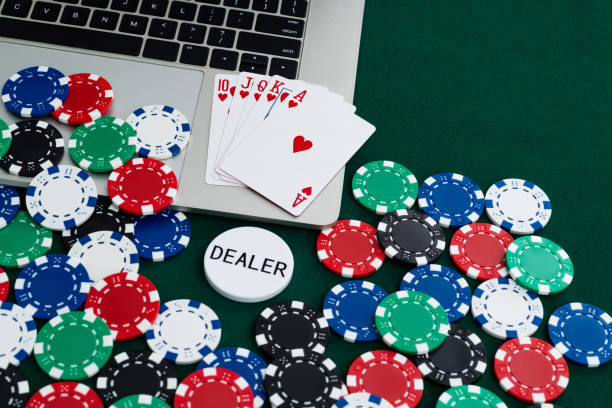
Moreover, the lack of clocks and windows in casinos fosters a sense of escapism. Without external time cues, gamblers often lose track of how long they have been playing, which can lead to prolonged gambling sessions. This carefully curated environment tricks the brain into a state of flow, where the excitement of the game overshadows the need for breaks or assessments of time and money spent. This manipulation is a powerful psychological tool that casinos use to keep players engaged, often leading to unplanned expenditures.
Furthermore, the strategic placement of high-stakes games near entrances and pathways is another psychological tactic designed to draw players in. By placing the most visually appealing and potentially lucrative games in high-traffic areas, casinos can capture the attention of passersby, encouraging them to join in the action. This showcases the profound understanding casinos have of human psychology and how environmental factors can influence decision-making and behavior in gambling situations.
Exploring responsible gaming resources
Understanding the complexities of gambling psychology is vital for promoting responsible gaming practices. With an increasing recognition of gambling-related issues, various resources have emerged to provide support for individuals who may be struggling with their gambling habits. These resources often include educational materials that inform gamblers about the risks associated with gambling and strategies for setting limits to protect their financial well-being.
Moreover, many casinos and organizations now actively promote responsible gambling initiatives. This can include self-exclusion programs that allow players to voluntarily restrict their access to gambling activities. By encouraging individuals to recognize when their gambling habits may be becoming detrimental, these initiatives foster a healthier relationship with gambling. It is essential for players to have access to tools that help them manage their gaming experiences in a way that prioritizes their mental and financial health.
In conclusion, understanding the psychology behind gambling is crucial not only for casinos but also for players themselves. By acknowledging the emotional and environmental factors that contribute to gambling behavior, individuals are better equipped to make informed decisions about their gaming practices. Responsible gaming resources and education empower players to enjoy gambling activities without compromising their well-being, ensuring that the thrill of the game does not overshadow the importance of maintaining a balanced approach. Awareness of these aspects can lead to healthier gaming experiences and promote a culture of responsibility within gambling environments.